China Best Solar Tiles for Wholesale Buyers?
China has become a major sourcing center for solar tiles, offering varied designs, factory capacity, and competitive wholesale pricing. Yet low prices alone do not define a dependable supplier. Buyers must examine conversion efficiency, tile dimensions, glass strength, fire ratings, wind-load data, and inverter compatibility. A sample roof is useful, but it cannot replace independent testing.
Elon Musk once described the concept simply: “It’s not just a solar panel on a roof. It is a solar roof.” That idea still shapes buyer expectations. Solar tiles must produce electricity while matching the building’s appearance, drainage system, and installation method. For wholesalers, the practical questions are less glamorous. Can the factory maintain stable color batches? Are replacement tiles available after five years? Does the warranty cover product defects, power output, and labor separately? These details can decide whether a container becomes a profitable order or an expensive storage problem.
Real purchasing experience also exposes uncomfortable gaps. Some suppliers present impressive laboratory figures, but provide limited field data. Others quote an attractive price before adding packaging, testing, certification, or customized molds. That is where careful evaluation matters. Ask for production photographs, serial-number samples, quality-control records, and a clear delivery schedule. Visit the factory when possible. A video call helps, but it is not the same.
This guide examines China’s leading solar tiles for wholesale buyers, comparing technical performance, design flexibility, certification evidence, minimum order quantities, warranties, and after-sales support. No supplier is perfect. The strongest choice depends on climate, project type, installation skills, and acceptable risk.
Solar Tile Types and Their Main Applications
China Best Solar Tiles for Wholesale Buyers?
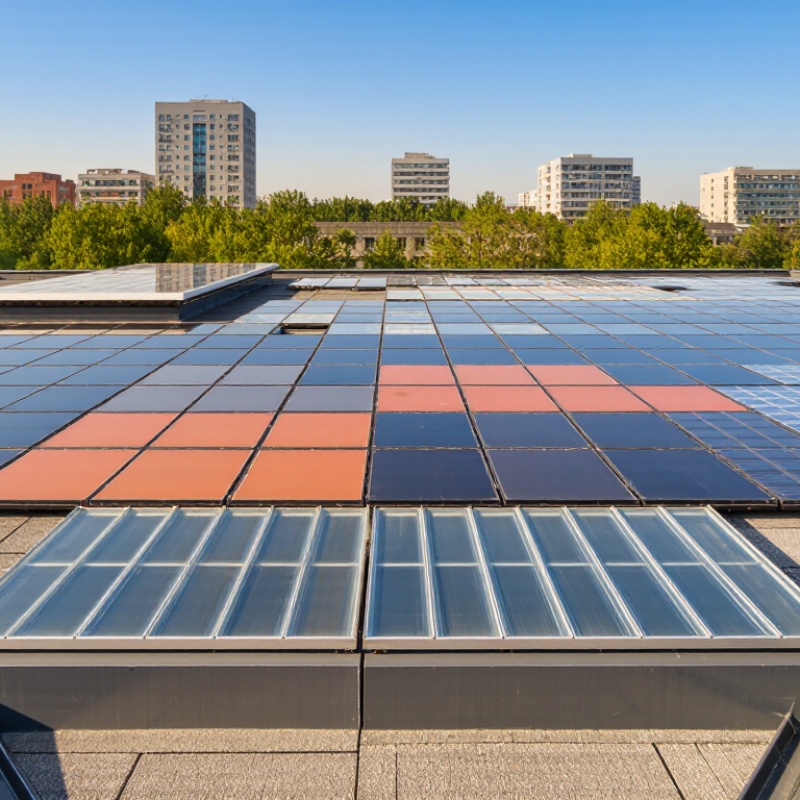
Solar tiles combine roof covering with photovoltaic generation. Crystalline-silicon tiles provide strong efficiency and stable output. They suit detached homes, villas, and small apartment projects with pitched roofs. Their rigid form needs accurate roof measurements and careful installation.
Thin-film solar tiles are lighter and more flexible. They can follow unusual roof lines, although their efficiency is often lower. Solar shingles use smaller modules and create a flatter visual pattern.
They work well for new residential construction and premium roof renovations. Terracotta-style tiles target heritage areas and appearance-sensitive developments. However, their output, weight, and replacement process require close checking.
IRENA
’s Renewable Capacity Statistics 2024 reports 1,419 GW of global solar capacity at the end of 2023. That scale supports wider solar adoption, but it does not make every tile suitable for every roof.
For wholesale buyers, application should guide selection. Residential roofs need shade analysis, wind-load data, drainage planning, and compatible inverters. Commercial buildings often favor conventional modules because large roof areas reward simpler installation. BIPV projects may accept higher product costs for visual integration.
Less is not always better. Some decorative tiles sacrifice serviceability, and that weakness is easy to miss during showroom reviews.
Request tested power data, fire classification, mechanical-load results, warranty terms, and replacement procedures.
IEA PVPS Trends 2024 also highlights rapid PV expansion, making quality control more important as procurement volumes grow.
Performance, Durability, and Certification Requirements
China Best Solar Tiles for Wholesale Buyers?
Performance, Durability, and Certification Requirements
Wholesale buyers should compare solar tiles by tested output, not catalogue peak power alone. Roof temperature, shading, ventilation, and mounting gaps affect daily generation. IEA PVPS reports that building-integrated photovoltaics often face higher thermal stress than open-rack systems. A tile that looks efficient may perform poorly beneath a tightly sealed roof.
Check the evidence.
NREL’s degradation research found a median crystalline-silicon module degradation rate near 0.5% annually. Tile-specific results can differ. Ask suppliers for power tolerance, temperature coefficients, thermal-cycle results, and five-year field data. Inspect sample tiles after rain, hail, and repeated heating. Small cracks may remain invisible during a factory visit.
Certification is not decoration. IEC 61215 addresses design qualification and environmental testing, while IEC 61730 covers electrical safety. For humid or coastal projects, IEC 61701 salt-mist testing is valuable. Fire classification, wind loading, and roof integration must also meet the destination market’s building rules. IEA PVPS Task 15 highlights the importance of installation design in BIPV reliability. A certificate for the photovoltaic component may not certify the complete roof assembly.
Do not accept copied test summaries. Request laboratory names, report numbers, sample configuration, and production dates. Verify whether certification covers the exact tile model. This step feels slow. It prevents expensive surprises. Performance claims still need independent checking, especially when ventilation assumptions are unclear.
Wholesale Pricing, Minimum Orders, and Shipping Considerations
China Best Solar Tiles for Wholesale Buyers?
Wholesale pricing for solar tiles depends on more than the unit quote. Suppliers may calculate prices by tile, square meter, or pallet, making comparisons difficult. Request a pro forma invoice with the product model, wattage, dimensions, accessories, packaging, and payment terms clearly listed. Ask whether the quote includes testing, export documentation, inland transport, and loading fees.
Minimum order quantities vary widely. A small trial order may cost more per unit, but it reduces inventory risk. Larger orders can unlock better pricing, yet they also require storage space and stronger quality controls. Request samples before production. Check surface finish, connector placement, color consistency, and installation tolerances. Small differences can create expensive delays on a roof. A spreadsheet helps, but it cannot detect every damaged edge.
Shipping requires careful planning. Confirm whether the price uses FOB, CIF, or another delivery term, and identify the destination port in writing. Solar tiles are heavy and fragile, so pallet design matters. Ask for drop protection, moisture barriers, corner guards, and loading photographs. Calculate customs duties, port charges, insurance, and local delivery separately. Container availability can change quickly. Build extra time into the schedule. Also verify regional electrical standards, fire requirements, and warranty procedures before placing a deposit. A low price is not useful if replacement parts arrive months later.
China Best Solar Tiles for Wholesale Buyers
Indicative wholesale planning ranges for solar roof tiles, covering minimum order quantities, production lead times, and ocean shipping lead times. Actual terms vary by specification, destination, season, and order volume.
Buyers should confirm the tile wattage, roof-system compatibility, packaging method, certification requirements, and Incoterms before comparing quotations. Larger consolidated orders generally reduce the unit logistics cost but require more warehouse capacity and working capital.
How to Select the Best Solar Tile Manufacturer in China
China Best Solar Tiles for Wholesale Buyers?
Selecting a solar tile manufacturer in China requires more than comparing prices. Begin by checking production experience, engineering staff, and completed projects with similar roof conditions. Request factory photographs, testing records, and clear information about cell efficiency, tile dimensions, and power output. Samples first.
A reliable manufacturer should provide documented testing for water resistance, wind pressure, hail impact, fire performance, and electrical safety. Confirm whether reports match the exact tile model, not an older product. Review the warranty carefully, including performance limits, replacement procedures, and response times. Details matter. A factory may promise fast delivery, yet limited glass, cells, or specialized framing can create delays.
Wholesale buyers should inspect quality control at each stage, from cell soldering to final packaging. Ask how defective units are recorded and how serial numbers support traceability. Packaging should protect corners and connectors during long-distance transport. Check pallet dimensions before calculating shipping costs. Experienced suppliers can also provide installation drawings, roof integration guidance, and technical training for local contractors.
Price remains important, but the lowest quote may hide weaker materials or uncertain support. A small pilot order can reveal dimensional consistency, documentation quality, and communication habits. My own assessment would not rely on one factory visit; impressive facilities can still produce inconsistent batches. Compare physical samples, independent reports, references, and contract terms before committing to volume.