How to Choose Monier Roof Tiles in 2026?

Choosing monier roof tiles in 2026 requires more than comparing colours and showroom prices. A roof must suit the building, climate, structure, and future maintenance plan. Heavy rain, coastal salt, intense sunlight, hail, and bushfire exposure can affect performance differently. The right tile on one street may be unsuitable on another.

Roofing consultant and building-science expert Joseph Lstiburek often reminds homeowners, “A roof is a system, not a product.” That principle matters when evaluating monier roof tiles. Tile design, underlay, battens, ventilation, flashing, fixings, and installation quality must work together. A premium tile cannot correct poor roof detailing. It sounds obvious, but many projects still focus on appearance first.

This guide explains how to assess tile profiles, surface finishes, colour retention, weight, roof pitch, and available warranties in 2026. It also considers solar panels, changing weather patterns, local building requirements, and long-term repair access. Product specifications should be checked against current manufacturer documents and qualified installer advice. Marketing language is not enough.

Measure twice.

Personal experience also teaches an uncomfortable lesson: the cheapest quote can become the most expensive roof. Yet the highest-priced option is not automatically the best choice. Budget, property age, local exposure, and expected ownership period all matter. Some recommendations may remain uncertain until the roof structure is inspected. That is why this guide treats monier roof tiles as part of a complete roofing system, not as isolated decorative pieces.

How to Choose Monier Roof Tiles in 2026?

Understanding Monier Roof Tile Types and Their Best Uses

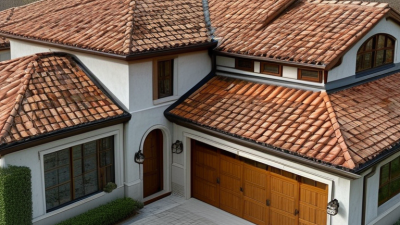
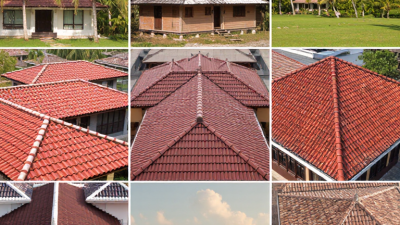
Choosing the right roof tile starts with understanding its type, not its colour. Concrete interlocking tiles suit many suburban homes because their overlapping edges improve rainwater control. They are durable and usually cost less than clay. However, their weight demands a properly engineered roof structure.

Clay tiles offer strong colour stability and a traditional appearance. They work well in hot, dry regions, especially when ventilation is designed carefully beneath the tiles. Flat tiles create clean, modern lines, but they can need stricter installation tolerances. Profiled tiles shed water efficiently on sloped roofs. Your local rainfall, wind exposure, roof pitch, and maintenance access should guide the decision. I once underestimated roof pitch during a renovation review. The selected profile looked attractive, yet it was unsuitable for heavy seasonal rain.

Tips: Ask a qualified roofer to inspect the structure before ordering. Compare tile weight, tested wind resistance, fixing methods, and expected service life. Request written installation guidance and check local building requirements. Sample tiles outdoors, because showroom lighting can hide colour variation. Also examine flashing details around skylights and chimneys. Small gaps there can cause expensive damage. A tile choice is never only about appearance. It must match the building, climate, and workmanship available.

Assessing Climate, Roof Design, and Building Requirements

In 2026, choosing concrete roof tiles should begin with the climate, not the color chart. In coastal areas, salt, strong winds, and driving rain can expose weak installation quickly. In colder regions, repeated freeze-thaw cycles may damage unsuitable tiles. Hot, sunny locations also need surfaces that manage heat and resist fading. Ask a qualified local roofing professional about tested performance in your area. Their field experience can reveal problems that product sheets sometimes miss.

Tips: Check annual rainfall, wind exposure, frost risk, and nearby trees. Request samples. Hold them against the building in morning and afternoon light.

Roof design matters just as much. Steeper pitches usually shed rain and snow more effectively. Complex roofs need careful planning around valleys, hips, skylights, and roof edges. Tile weight must match the structure, especially on older buildings. A structural assessment may be necessary before replacement. Ventilation, underlayment, battens, flashing, and fixing methods also affect long-term reliability. Do not judge tiles alone. The complete roof system performs together.

Building requirements can limit your choice. Check local planning rules, fire ratings, storm standards, and permitted roof weights before ordering materials. Energy performance may also influence under-roof insulation and ventilation details. I would not assume a popular tile suits every project. Even experienced installers can miss drainage details on unusual roof shapes. A written specification, installation warranty, and inspection record provide stronger protection than verbal promises. Ask who will inspect the finished work.

Comparing Tile Quality, Performance, and Maintenance Needs

How to Choose Roof Tiles in 2026?

Tile quality starts with the material, firing process, and manufacturing consistency. Check the product’s water absorption, freeze-thaw rating, impact resistance, and dimensional accuracy. These details matter more than surface color. The Tile Roofing Industry Alliance reports that properly installed clay and concrete tile roofs can last 50 years or longer. I would not treat that figure as a promise. Local weather, roof pitch, installation quality, and ventilation can shorten it significantly.

Performance also depends on the whole roof system. The U.S. Department of Energy reports that reflective roofing can reduce peak cooling demand by roughly 10–15% in air-conditioned buildings. Lighter, more reflective tiles may help in hot climates, but insulation and attic ventilation still influence indoor comfort. Ask for tested thermal and wind-resistance data, not vague marketing language. Numbers matter.

Maintenance is usually predictable, not effortless. Inspect cracked tiles, displaced pieces, flashing, and blocked drainage after severe storms. The National Roofing Contractors Association recommends regular roof inspections, especially after weather events. Walking directly on tiles can cause hidden fractures. Use trained professionals instead. Annual checks are sensible, although I have seen homeowners delay repairs for years. That gamble often turns a small flashing defect into wet insulation, stained ceilings, and expensive structural work.

Calculating Budget, Installation Costs, and Long-Term Value

How to Choose Roof Tiles in 2026?

Choosing roof tiles in 2026 starts with a cost model, not a sample board. Measure roof area, pitch, valleys, hips, penetrations, and access difficulty. Add 5–15% for cutting and breakage, depending on the layout. Separate tile prices from underlayment, battens, flashings, ridge fittings, scaffolding, disposal, and labor. The National Roofing Contractors Association explains that tile systems rely on compatible underlayment and flashing details. A cheap tile can become expensive when accessories are missing. Request three itemized local quotes. Compare warranties, installer experience, and repair methods, not just the square-metre price.

For long-term value, use a lifecycle calculation. The NAHB Study of Life Expectancy of Home Components places concrete and clay tile roofs above 50 years. That is not a promise. Storms, poor ventilation, and careless foot traffic can shorten service life. The U.S. Department of Energy reports that cool roofs may reduce peak cooling demand by 10–15% in suitable climates. Check local weather, insulation, and roof orientation before paying extra for a lighter finish. Remodeling Magazine’s 2024 Cost vs. Value Report found asphalt roof replacement recovered about 67% of its cost at resale. Tile results can differ sharply. A spreadsheet still lies sometimes. Test repair costs after severe weather and replacement costs after 25 years. Include inspections, cleaning, and cracked-tile reserves. The strongest choice balances installed cost, energy performance, and realistic service life.

Checking Suppliers, Standards, Warranties, and Final Selection

How to Choose Monier Roof Tiles in 2026?

Choosing Monier roof tiles should begin with the supplier, not the color chart. Request a written quotation, technical datasheet, and recent project references. A dependable supplier explains delivery times, batch consistency, and replacement procedures clearly. Visit a local installation if possible. Look closely at ridge lines, mortar joints, and chipped edges. Small defects often reveal weak handling or poor storage.

Check whether the tiles meet applicable regional standards for strength, water absorption, fire performance, and wind resistance. Ask for current laboratory reports, not general claims. Confirm that testing covers the exact tile profile and finish you plan to order. Warranties also require careful reading. Check coverage periods, installation conditions, exclusions, and who handles claims. A long warranty means little if ventilation or approved accessories are required but never supplied. This is easy to overlook.

Tips: Order physical samples before approval. Compare them in daylight and after rain. Measure roof pitch, exposure, and fixing requirements with a qualified installer. Keep invoices, batch numbers, and delivery photos. They can support a future claim. Also inspect several cartons, because one sample may hide production variation. I would not choose the cheapest quote automatically. Transport damage, missing fittings, or unclear warranty terms can cost more later. My own selection would favor consistent testing, responsive support, and a documented installation plan over attractive packaging.

How to Choose Monier Roof Tiles in 2026? — Checking Suppliers, Standards, Warranties, and Final Selection

Evaluation Dimension What to Check Verified Data or Practical Benchmark Evidence to Request Priority Selection Guidance Score Weight
Product Type Concrete or clay roof tile; interlocking or plain profile Concrete tiles are commonly selected for consistent dimensions and large-scale availability. Clay tiles are generally lighter in appearance and may have different fixing and detailing requirements. Technical datasheet, product profile, installation instructions High Required 10%
Applicable Standard Whether the product complies with the standard used in the project location Common references include EN 490 and EN 491 for concrete roofing tiles, EN 1304 for clay roofing tiles, and AS 2049 and AS 2050 where Australian requirements apply. Local building rules take precedence. Declaration of performance, test report, conformity certificate High Required 15%
Wind Resistance Tile fixing method, roof exposure, building height, and local wind zone There is no single universal fixing pattern. Edge, ridge, hip, eave, and exposed areas normally require stronger fixing than the central roof field. The design must follow local wind calculations and installation rules. Wind-zone fixing schedule, engineer’s specification, installation manual High Required 15%
Minimum Roof Pitch Minimum pitch for the selected tile profile and underlay system Minimum pitch varies by tile design, lap, rafter length, exposure, and underlay. Do not apply a generic pitch value; use the tested value in the product installation guide. Profile-specific installation guide and roof design drawings High Required 10%
Water Tightness Resistance to rain penetration, correct laps, valleys, abutments, and penetrations Water performance depends on both the tile and the complete roof system. Flashings, underlay, ventilation, laps, and penetration details must be compatible with the tile profile. Water-tightness test results, standard compliance documents, detailing manual High Required 15%
Dimensions and Tolerance Length, width, cover width, cover length, and dimensional consistency Use effective cover dimensions rather than nominal tile size when calculating quantities. Dimensional consistency reduces cutting, alignment problems, and installation waste. Dimensional schedule, tolerances, sample measurement report High 8%
Weight and Roof Loading Installed mass per square metre, including battens and accessories Roof loading must be calculated from the actual tile coverage and system components. Existing buildings require a structural check before changing from a lighter roof covering. Declared unit weight, coverage rate, structural engineer’s assessment High Required 10%
Fire Performance Reaction to fire and suitability for the building’s fire-risk requirements Clay and concrete tiles are generally non-combustible mineral products, but the complete roof assembly may include combustible membranes, battens, insulation, or underlays. Fire classification, laboratory test report, roof-assembly specification Medium 7%
Climate and Exposure Freeze-thaw cycles, salt air, heavy rainfall, UV exposure, and temperature variation In freeze-thaw regions, confirm frost resistance. In coastal areas, verify corrosion-resistant fixings and compatible flashings. High-rainfall locations require carefully designed laps and drainage details. Environmental suitability statement, durability tests, fixing specification High Required 8%
Surface Finish and Colour Colour consistency, coating type, fading expectations, and batch variation Factory-finished or coloured tiles can show normal batch variation. Request a current production sample and confirm the approved colour before placing the full order. Physical sample, colour code, batch-control policy Medium 5%
Supplier Capability Technical support, stock continuity, delivery capacity, and complaint handling A suitable supplier should provide current technical documents, identify compatible accessories, confirm lead times, and maintain a traceable process for damaged or non-conforming products. Company quality procedure, delivery schedule, technical support contact, references High Required 8%
Warranty Terms Coverage period, covered defects, exclusions, claim process, and transferability Warranty periods and conditions vary by product and market. Confirm whether coverage applies only to the tile or also includes labour, accessories, colour, transport damage, and installation-related issues. Unedited warranty document, exclusions, claim form, proof-of-purchase requirements High Required 7%
Accessory Compatibility Ridge, hip, verge, eave, valley, ventilation, flashing, and fixing components Use accessories designed for the same profile or confirmed as compatible. Mixing systems can create gaps, poor alignment, leakage, or invalid warranty conditions. Complete accessory list, compatibility chart, fixing schedule High Required 8%
Sustainability Data Recycled content, manufacturing energy, service life, and end-of-life options Request project-specific environmental information rather than relying on general marketing claims. Product declarations such as an EPD can support transparent comparison when available. Environmental product declaration, recycled-content statement, end-of-life guidance Medium 4%
Total Installed Cost Tile cost plus battens, underlay, fixings, accessories, labour, waste, and delivery Compare cost per completed square metre, not only the price of an individual tile. Include approximately 5–15% material allowance for cuts and breakage where appropriate, subject to roof complexity and supplier advice. Itemised quotation, coverage rate, waste allowance, delivery terms High Required 8%
Final Decision Rule Whether the lowest-scoring risk has been resolved before purchase Select the option that meets mandatory standards, structural and weather requirements, compatible-system requirements, and acceptable warranty conditions. Use price only as a final differentiator between technically suitable options. Completed comparison sheet, signed quotation, approved sample, final technical review High Required Final Gate

Note: Standards, building regulations, wind classifications, minimum roof pitches, warranty terms, and installation requirements depend on the project location and selected tile profile. Always verify the current local requirements and the latest product documentation before ordering.