Choosing reliable Fountain Contractors worldwide requires more than comparing glossy project photographs. A fountain may look simple from the outside, yet its success depends on hydraulic design, pump selection, waterproofing, electrical coordination, controls, and long-term maintenance. Mark Fuller, founder of WET, has observed, “Water is the most powerful and evocative element in nature.” The right contractor understands that power and treats it with technical discipline.
Look for documented experience with projects similar to yours. A hotel courtyard, public plaza, resort pool, and private garden each require different solutions. Ask for verifiable references, project locations, maintenance records, and clear evidence of completed work. Reliable Fountain Contractors should explain flow rates, filtration, energy use, drainage, material durability, and winter protection in plain language. They should also coordinate with qualified local professionals when regional permits, electrical standards, or environmental requirements apply.
Details matter. Ask who will service the pumps at 7 a.m. after a noisy failure, not only who will install them. Request a written scope, realistic timeline, warranty terms, spare-parts plan, and transparent payment schedule. No checklist removes every risk. A polished portfolio can still conceal weak after-sales support. That deserves reflection. Speak with former clients, inspect an operating fountain when possible, and test whether the contractor listens before signing. The strongest choice is rarely the cheapest quote. It is the team that combines craftsmanship, engineering judgment, honest communication, and dependable care long after the water begins to move.
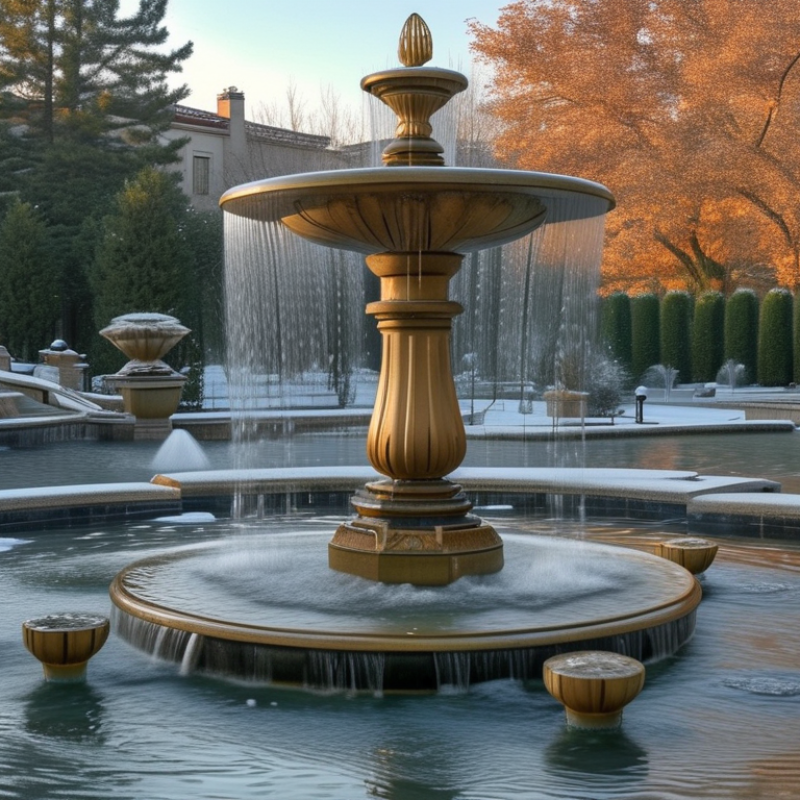
Before choosing reliable fountain contractors worldwide, define the project in measurable terms. State the fountain’s purpose, location, dimensions, water depth, and daily operating hours. Describe the visual effect, such as a quiet reflective pool or synchronized jets reaching three meters.
A clear site brief should include soil conditions, drainage routes, electrical capacity, wind exposure, and seasonal temperatures. Add expected visitor traffic and cleaning access. These details affect pump sizing, filtration, lighting, safety barriers, and maintenance costs. Ask for technical drawings, material specifications, installation stages, and a realistic schedule. Vague requirements invite vague quotations.
Keep the budget practical, but separate construction costs from long-term operation. Request estimates for water treatment, electricity, replacement parts, winter protection, and routine inspections. Local climate and regulations can change the design significantly, so contractors should explain their regional experience and required approvals. Check their completed projects, technical qualifications, insurance, and client references. A reliable contractor will identify risks instead of promising everything immediately.
Do not judge proposals by price alone. Compare pump efficiency, control systems, warranty terms, response times, and access to trained service personnel. I have seen attractive concepts fail because maintenance space was ignored. That mistake is easy to make. It is also expensive. Leave room for design revisions after a site survey, because initial assumptions are rarely perfect.
Reliable fountain contractors show evidence, not polished promises. Ask how many installations they have completed in climates like yours. Experience matters when stone freezes, pumps clog, or water chemistry changes. Request project photographs, maintenance records, and client references. Speak with a recent client if possible. A serious contractor explains failures honestly. That detail builds trust. Check qualifications for electrical, hydraulic, structural, and water-treatment work. Requirements differ between countries, so verify documents with relevant local authorities. Do not accept vague claims of certification.
Tips: Ask for a written scope, drawings, flow rates, pump curves, filtration plans, and warranty terms. Confirm who performs commissioning and future servicing. Test whether the contractor can explain pressure loss without hiding behind jargon. Visit an operating site, not only a showroom. If answers change between meetings, pause. A small inconsistency can become a costly leak.
Experienced teams should calculate basin volume, nozzle height, wind exposure, access needs, and safe electrical separation. They should also explain cleaning schedules and winter shutdown procedures. Request evidence of insurance, trained personnel, and documented risk assessments. Independent engineering review may be sensible for large public fountains. I would not choose solely on the lowest quote. Low prices sometimes omit drainage, controls, or replacement access. Still, expensive proposals are not automatically better. Compare assumptions line by line, and ask what the contractor would change after inspecting the site.
| Evaluation Dimension | Recommended Weight | What to Verify | Reliable Evidence | Practical Benchmark | Priority |
|---|---|---|---|---|---|
| Relevant Fountain Experience | 20% | Experience with the same fountain type, scale, water conditions, climate, and public-use environment as the proposed project. | Project portfolio, completion dates, client references, site photographs, maintenance records, and documented project scope. | At least three comparable completed projects, including one that has operated through a full seasonal cycle where applicable. | High |
| Legal Registration and Licensing | 15% | Whether the contractor is legally permitted to perform construction, electrical, plumbing, waterproofing, and related work in the project jurisdiction. | Current business registration, trade licenses, permits, professional registrations, and verification through the relevant local authority. | All required licenses and permits are current, applicable to the project location, and held by the responsible legal entity. | High |
| Engineering and Technical Design | 15% | Ability to calculate flow rate, pump head, pipe losses, water depth, filtration needs, electrical load, overflow capacity, and access requirements. | Hydraulic calculations, equipment schedules, control diagrams, single-line electrical drawings, shop drawings, and design review procedures. | Design documents are prepared or reviewed by appropriately qualified professionals and are coordinated with local codes. | High |
| Waterproofing and Structural Coordination | 10% | Understanding of substrate preparation, waterproofing systems, movement joints, penetrations, drainage, structural loading, and water-retention testing. | Method statements, material data sheets, inspection checklists, test reports, and coordination drawings signed off by the responsible parties. | Water-retention testing and waterproofing inspections are completed before finishes, nozzles, and equipment are permanently installed. | High |
| Electrical and Public-Safety Controls | 10% | Protection against electric shock, unauthorized access, slip hazards, entrapment, chemical exposure, and unexpected equipment start-up. | Electrical protection plan, grounding and bonding records, residual-current protection where required, lockout procedures, barriers, signage, and risk assessments. | Safety measures are reviewed by qualified personnel and comply with applicable electrical, building, accessibility, and public-safety requirements. | High |
| Equipment Selection and Compatibility | 10% | Compatibility of pumps, valves, filters, nozzles, lighting, controllers, sensors, pipework, and water-treatment equipment with the design duty and environment. | Performance curves, duty-point calculations, equipment schedules, compatibility statements, spare-parts lists, and installation instructions. | Selected equipment operates within the manufacturer’s specified limits and has accessible replacement parts in the project region. | High |
| Water Treatment and Hygiene Management | 8% | Proposed approach to filtration, disinfection, dosing, water testing, algae control, corrosion management, and safe chemical storage. | Water-treatment design, operating procedures, test schedules, chemical-handling procedures, safety data sheets, and operator training records. | The system includes a documented treatment and monitoring plan appropriate to water use, exposure, climate, and local health requirements. | High |
| Quality Assurance and Commissioning | 7% | How the contractor controls installation quality and proves that the fountain performs as designed before handover. | Inspection and test plans, factory or delivery inspections, pressure tests, flow measurements, electrical tests, commissioning reports, and defect logs. | Formal commissioning includes documented testing of pumps, controls, lighting, water levels, drainage, safety functions, and programmed operating modes. | Medium |
| Maintenance and Local Support | 3% | Availability of preventive maintenance, troubleshooting, emergency response, operator training, and replacement components after handover. | Maintenance schedule, service-level terms, response times, training plan, spare-parts strategy, and clearly defined warranty exclusions. | Handover includes as-built drawings, operating manuals, maintenance instructions, test records, and trained site personnel. | Medium |
| Insurance and Financial Capacity | 2% | Whether the contractor can manage project obligations and carry appropriate protection for construction, workers, public liability, and professional services. | Valid insurance certificates, financial references, bonding information where required, payment history, and clearly stated contractual limits. | Coverage limits and policy periods match the project risk profile and local contractual requirements. | Standard |
| Transparent Commercial Proposal | 0% | Clarity of scope, exclusions, assumptions, provisional sums, taxes, lead times, testing responsibilities, and change-order procedures. | Itemized quotation, technical specification, program, payment schedule, warranty terms, exclusions list, and risk register. | At least two technically comparable proposals are evaluated using the same scope, not price alone. | Standard |
| Scoring method: Rate each dimension from 1 to 5, multiply the rating by the recommended weight, and compare the weighted totals. Treat missing licenses, unresolved safety risks, unverifiable references, or inadequate waterproofing and electrical documentation as disqualifying issues regardless of the total score. Benchmarks should be adapted to local law, project complexity, fountain type, and public-access conditions. | |||||
Choosing Reliable Fountain Contractors Worldwide
A reliable contractor should submit a clear, site-specific design proposal. Look for scaled drawings, water-flow calculations, lighting plans, and maintenance access. The proposal should explain how the fountain will fit local weather and surrounding architecture. Ask who checks pump capacity, drainage, electrical safety, and water treatment requirements. Vague promises are costly. Compare each proposal line by line. A lower price may exclude foundations, controls, freight, or commissioning. A complete scope is more valuable than an attractive headline figure.
Materials deserve equal attention. Request specifications for the basin, pipes, pumps, nozzles, seals, and surface finishes. Stainless steel may resist corrosion, while certain stones can stain or crack in freezing conditions. The contractor should explain expected service life and replacement access. Samples help, but samples can mislead. Real installation photos reveal joint quality and water behavior. Speak with previous clients about delays, repairs, communication, and final performance. Independent technical review is sensible for large or complex projects.
Build a cost comparison sheet with identical categories. Include design fees, permits, transport, installation, testing, training, and annual maintenance. Require payment stages linked to measurable milestones. The timeline should show design approval, fabrication, shipping, site preparation, installation, and commissioning. Add weather and material delays honestly. Unrealistic schedules are warning signs. I would accept a slower plan with documented dependencies. Still, even careful planning can fail. Keep written records, confirm changes, and reserve a reasonable contingency for concealed site conditions.
How to Choose Reliable Fountain Contractors Worldwide
A reliable fountain contractor should provide verifiable references, not polished promises. Request project addresses, completion dates, maintenance records, and permission to contact owners. Inspect a working installation if possible. Look closely at pump rooms, cable protection, drainage, and water clarity. One missing document can reveal weak project control.
Safety evidence matters more than attractive renderings. The World Health Organization’s Global Status Report on Drowning 2024 records over 300,000 annual unintentional drowning deaths worldwide. Public fountains need controlled water depth, secure access, anti-slip surfaces, emergency shutoffs, and clear maintenance procedures. The International Labour Organization reported 2.93 million work-related deaths in 2023. Ask whether workers receive documented training, protective equipment, and site-specific risk assessments. Paperwork is not enough.
Require written warranties covering pumps, lighting, waterproofing, controls, and installation defects. Clarify response times, excluded damage, spare parts, and who pays for travel. Confirm permits, electrical certifications, water-treatment rules, accessibility requirements, insurance, and local tax registration. Compliance must be checked in the project’s actual jurisdiction, not copied from another country. Independent inspections can reduce uncertainty. Still, no inspection catches everything. I would also request a staged payment plan linked to tested milestones. A cheaper bid may hide unresolved maintenance costs. References can be selective, and warranties can be carefully worded. Read every clause.
Choosing a reliable fountain contractor requires more than attractive project photos. Communication reveals how the team works after signing. Ask for a written scope, response times, technical drawings, and a named project contact. Experienced contractors explain water circulation, filtration, lighting, drainage, and seasonal adjustments clearly. During my own site reviews, vague answers often predicted delays. That lesson remains uncomfortable, but useful. A polished proposal can still hide weak coordination.
Maintenance support should be specific, not a promise in a brochure. Request service intervals, inspection checklists, spare-part plans, and emergency procedures. Confirm who cleans filters, checks pumps, tests water quality, and records repairs. Ask whether remote diagnostics are available when the fountain is far from the contractor’s office. Reliable providers share sample maintenance reports and explain expected operating costs. They should also admit what their local team cannot handle. That honesty builds trust.
Tips: Test communication before choosing. Send three practical questions and compare the clarity of replies. Ask for references from projects in a similar climate. Verify local technicians, travel coverage, time-zone support, language access, and documentation standards. International support may sound impressive, yet a slow response at midnight can stop a public installation. Request escalation contacts and a realistic spare-parts timeline. Keep every agreement written. I would also schedule a trial inspection. It may feel excessive, but assumptions become expensive.