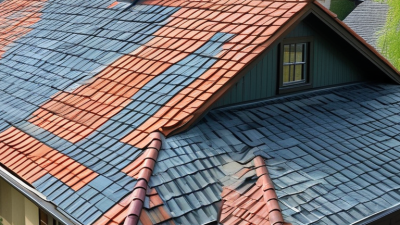
Global buyers are examining solar energy roof tiles more carefully as building energy standards become stricter. The 2026 market will not be judged by appearance alone. Buyers will compare power output, roof durability, installation methods, warranties, and long-term service support. A tile that looks elegant but performs poorly under shade can disappoint quickly.
Elon Musk, an energy and technology entrepreneur, once described Tesla’s solar roof as follows: “It looks better than a normal roof, lasts twice as long, costs less, generates electricity, and works.” The statement captures the promise of solar energy roof tiles. However, real projects require more evidence. A showroom sample cannot replace verified efficiency data, tested wind resistance, or clear replacement procedures. Buyers should request product certificates, temperature coefficients, fire ratings, and performance records from comparable climates.
This guide reviews leading solar energy roof tiles for international buyers in 2026. It considers monocrystalline designs, integrated photovoltaic systems, active roofing materials, and regional installation conditions. Coastal homes may need stronger corrosion protection. Snowy regions require careful load calculations. Hot climates demand attention to ventilation and heat loss. These details matter.
Some product claims remain difficult to compare.
That is a weakness.
Manufacturers may report efficiency under different testing conditions. Installers may also estimate savings too optimistically. A reliable decision therefore needs independent verification, local engineering advice, and realistic energy-use data. The best choice may not be the most powerful tile. It may be the product that remains serviceable, repairable, and financially sensible for decades.
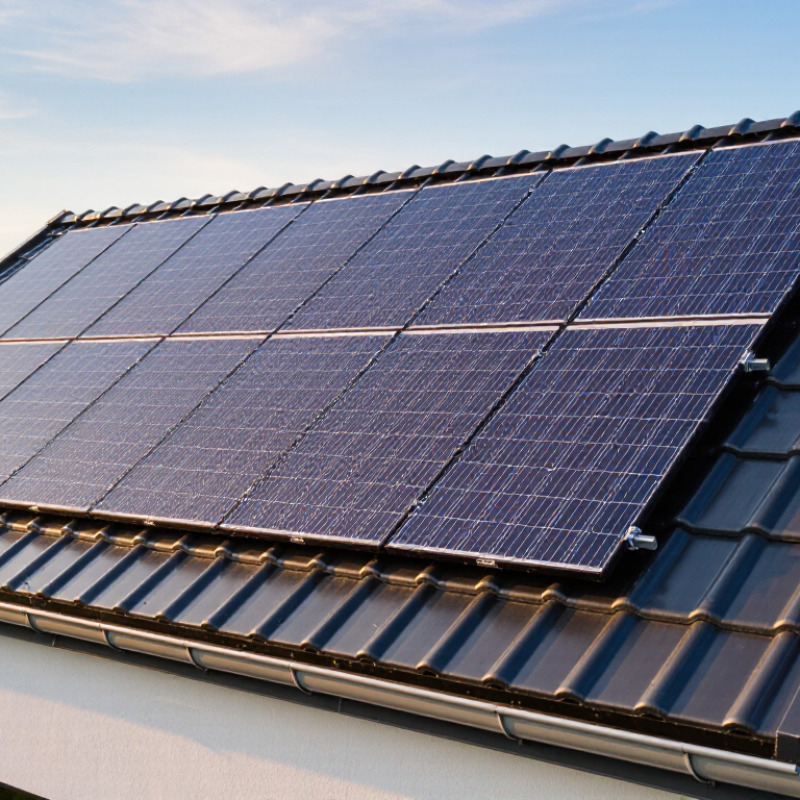
Solar roof tiles are building-integrated photovoltaic products. They replace selected roofing materials while generating electricity from sunlight. Unlike rooftop panels, they form part of the roof’s visible surface.
Most solar tiles use crystalline silicon cells. Monocrystalline cells usually provide higher efficiency in limited roof areas. Thin-film designs can be lighter and more flexible.
Passive tiles only protect the building, while active tiles produce power. Some systems combine both across one roof.
Their core technologies include photovoltaic cells, weather-resistant encapsulants, tempered glass, wiring, and power electronics. Microinverters or string inverters convert direct current into usable alternating current. Proper ventilation helps control heat, which can reduce output during hot afternoons. Drainage channels and sealed electrical connectors also matter under heavy rain.
Practical installation experience shows that roof direction, shading, pitch, and local climate influence results more than appearance alone. Snow load and wind resistance need engineering checks.
Fire ratings and electrical certification should match local regulations. Buyers should request tested performance data, warranty terms, replacement procedures, and installer qualifications.
The technology is promising, but it is not automatically the best choice. Solar tiles can cost more and may be harder to repair than separate panels. Some efficiency figures also come from controlled laboratory conditions. Real roofs are messier. A careful assessment remains essential for every building.
2026 Top Solar Energy Roof Tiles for Global Buyers
Solar roof tiles work by placing photovoltaic cells inside weather-resistant roofing units. When sunlight reaches these cells, they produce direct-current electricity. An inverter then converts it into alternating current for household appliances. Excess power may charge a battery or flow into the local grid, subject to local rules.
In residential buildings, installers study roof direction, pitch, shading, and available electrical capacity. A chimney shadow can reduce output across several connected tiles. During a site assessment, I would also check roof age and waterproofing, not only sunlight. Replacing sound roofing too early can weaken the project’s financial case. The system should connect safely with the home’s distribution board, protective devices, and monitoring equipment.
Commercial buildings use the same basic principle, but scale changes the engineering. Larger roofs may require structural checks, longer cable routes, fire-access pathways, and careful voltage design. Flat roofs can improve layout flexibility, although support frames may add wind-load concerns. Energy managers often compare solar production with daytime machinery, cooling, and lighting demand. This helps determine whether batteries are worthwhile. Still, predicted savings are not guaranteed. Dust, seasonal clouds, maintenance access, and tariff changes can alter results. A visually neat roof may deliver less energy than a simpler, better-oriented installation.
2026 Top Solar Energy Roof Tiles for Global Buyers
Comparing solar roof tiles requires more than checking peak wattage. Begin with local sunlight, roof pitch, shading, and seasonal temperatures. A tile performing well in Spain may produce less in cloudy northern markets. Confirm tested efficiency under realistic conditions, not only laboratory ratings. Fire resistance, wind-load performance, hail tolerance, and waterproofing should match local building requirements. These details affect safety and installation costs.
Tips: Request independent test reports, warranty terms, and verified energy estimates. Check whether replacement tiles remain available for the expected service life. Ask installers about roof integration, cable routing, ventilation, and maintenance access. A lower purchase price can become expensive if damaged tiles require specialist labor. Field experience shows that installation quality often influences output as much as the tile itself. Confirm installer training and project references in similar climates.
Global buyers should also compare usable energy over time, not just the first-year output. Review product degradation rates, inverter compatibility, monitoring functions, and recycling arrangements. Warranty wording deserves careful reading; coverage may differ for power loss, water damage, and workmanship. A perfect comparison rarely exists. Some suppliers publish limited long-term data, which should reduce confidence. Independent inspection can expose roof weaknesses before installation. Consider currency changes, shipping damage, local taxes, and spare-part delays. These practical factors may decide whether an attractive solar roof remains reliable after several difficult weather seasons.
A technology-neutral comparison of common solar roof-tile and building-integrated photovoltaic (BIPV) formats. Performance and suitability vary by product design, climate, roof construction, and local regulations.
| Roof-integrated format | Typical construction | Indicative power density | Roof and installation fit | Key advantages | Main trade-offs | What global buyers should verify |
|---|---|---|---|---|---|---|
| Glass-glass solar tiles | Photovoltaic cells sealed between glass layers and assembled as roof-covering units. | Often around 100–180 W/m² of active PV area; confirm the rated output for the complete installed roof area. | Best suited to new construction or full roof replacement. Requires a compatible mounting, flashing, and waterproofing system. | Integrated appearance; durable glass surfaces; can replace part of the conventional roof covering. | More complex detailing than rack-mounted panels; shaded or inactive roof sections still need suitable weatherproof coverage. | Check wind and snow-load ratings, water-ingress test results, fire classification, replacement-tile availability, and installation instructions. |
| Overlapping PV shingles | Narrow photovoltaic units installed in courses, typically overlapping or interlocking like roof shingles. | Varies substantially by cell layout and shingle size; compare rated watts per square metre of the finished roof, not per unit alone. | Designed for roofs using compatible shingle-style layouts. Roof geometry, valleys, hips, and penetrations can affect usable PV area. | Low-profile appearance; modular layout; can integrate with selected roofing systems. | More electrical connections and roof details may be involved than with larger modules; repair procedures are system-specific. | Confirm compatible underlayment, attachment method, electrical connector standards, service access, and how damaged units are replaced. |
| Solar slate-style tiles | PV units designed to visually resemble slate or other traditional small-format roofing. | Product-specific; assess expected annual energy yield using local solar resource, roof orientation, and shading rather than appearance or unit count. | May suit projects where the look of traditional roofing is important. Confirm compatibility with the existing roof structure and local roofing practices. | Can preserve a traditional roof aesthetic while generating electricity; useful where visible conventional panels are restricted. | Small-format layouts can increase the number of joints and installation details; aesthetics do not guarantee higher energy output. | Review approved roof pitch, flashing details, roof-system warranties, local building-code acceptance, and availability of trained installers. |
| Integrated solar roof panels | Larger PV roofing elements that form part of the roof surface rather than being mounted above it. | Compare manufacturer-rated DC power per roof area and account for non-generating edges, vents, and other roof obstacles. | Generally most practical for new roofs or major reroofing. Requires a coordinated design for drainage, ventilation, and electrical routing. | Broad roof coverage; fewer visible raised modules; can combine roofing and electricity generation in one system design. | Retrofitting can require substantial roof work; system-level repairs may involve both roofing and electrical specialists. | Clarify which components provide the weather barrier, how roof penetrations are sealed, and whether roofing and power warranties are separate. |
| Solar metal-roofing systems | Metal roof panels with integrated or attached PV elements, including systems using standing seams or purpose-designed roofing panels. | Highly dependent on panel width, seam spacing, and PV coverage; request a layout-specific power estimate for the usable roof area. | Often suitable for new metal roofs or compatible standing-seam roofs. Attachment methods must match the roof profile and structural design. | Can offer a durable roof surface and a streamlined PV layout; some standing-seam attachments avoid penetrating the roof skin. | Not every attachment or PV element fits every metal profile; thermal movement and corrosion compatibility need attention. | Verify metal and fastener compatibility, corrosion resistance, uplift ratings, grounding, drainage, and the roof maker’s installation requirements. |
Comparison note: Power-density figures are indicative planning ranges, not guaranteed product specifications, and refer to active photovoltaic area where stated. Ask suppliers for certified electrical ratings, installed-system area calculations, local code documentation, expected energy yield, and written warranty terms for the destination market.
2026 Top Solar Energy Roof Tiles for Global Buyers
Installation starts with the roof, not the tile. A structural survey should check rafters, snow loads, wind exposure, drainage, and existing defects. Small leaks matter. The installer should verify roof pitch, cable routes, grounding, and emergency access before fixing each tile. IEC 61730 covers photovoltaic module safety, while IEC 61215 addresses design qualification and performance testing. Local building permits, electrical approvals, fire classifications, and grid-connection rules still control the final design.
Maintenance is usually light, but neglect creates hidden losses. Inspect cracked tiles, loose flashings, blocked gutters, and damaged cables after severe weather. Thermal imaging can reveal hot connections that visual checks miss.
The IRENA Renewable Capacity Statistics 2024 report recorded 345.5 GW of new solar capacity in 2023, showing how quickly installation quality affects a growing asset base. Research linked to the NREL PV Lifetime Project commonly uses about 0.5% annual degradation as a planning reference, although roof-integrated systems may differ.
Safety planning should include shutdown labeling, fall protection, arc-fault controls, and clear firefighter access. National rules may also require certified electrical work and documented inspection records. Buyers should request test reports, warranty terms, maintenance instructions, and replacement procedures before purchase.
A neat roof is not proof of a safe system. That assumption is risky. Even experienced teams can overlook moisture behind overlapping tiles, especially during rushed retrofits.
2026 Top Solar Energy Roof Tiles for Global Buyers
Solar roof tiles are moving from niche construction products toward integrated energy systems. The IEA PVPS Trends 2024 report recorded 456 GW of new photovoltaic capacity worldwide in 2023. This expanding market is increasing demand for roof products that combine weather protection, electricity generation, and visual consistency. Crystalline-silicon tiles remain the practical choice for many buyers because they offer strong efficiency and established supply chains. Thin-film designs may suit lightweight roofs, but buyers should examine output under heat, shade, and low-light conditions. Performance changes by climate.
The strongest 2026 options will not be selected by appearance alone. Check module efficiency, temperature coefficient, hail resistance, fire classification, wind-load testing, and replacement access. The IEA Renewables 2024 report identifies continued cost reductions and rapid solar deployment as major market drivers. However, roof-tile pricing still varies sharply by project design, labor, and electrical integration. A beautiful surface can hide difficult maintenance. That matters.
Buyer evaluation should include a measured roof survey, annual yield modeling, inverter compatibility, drainage details, and recycling arrangements. SolarPower Europe’s Global Market Outlook 2024–2028 expects continued global PV growth, yet regional permitting and grid limits remain uneven. Independent certification is essential. So is installer experience with roof-integrated systems, not only standard panels. Warranty language deserves careful reading, especially for waterproofing and power degradation. Some advertised performance figures use ideal laboratory conditions. Real roofs rarely cooperate.