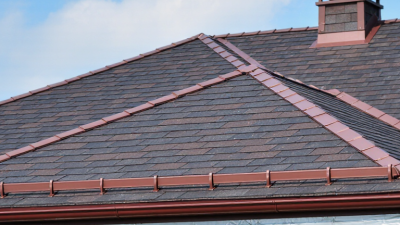
How to Choose Red Roof Tiles in 2026?

Choosing red roof tiles in 2026 involves more than matching a dramatic color to your home. The right tile must handle local weather, roof pitch, drainage, weight limits, and long-term maintenance. A deep red finish may look beautiful beside pale walls, yet it can expose fading, dust, and uneven replacement pieces over time.

Mark Graham, a recognized roofing technical expert, offers a practical principle: “A roof is a system, not just a covering.” That idea matters when comparing clay, concrete, and newer recycled tile options. Each material behaves differently under strong sunlight, freezing temperatures, heavy rain, and coastal salt exposure. Your roof structure also needs professional assessment before installation. Red roof tiles can be heavier than homeowners expect.

Look closely at the sample. Notice the surface texture. Check the color under morning and afternoon light. Ask whether the manufacturer provides matching ridge tiles, verge units, and replacement batches. A low price may become expensive when accessories are unavailable.

There is no perfect tile.

This guide will examine color stability, durability, energy performance, installation requirements, and realistic maintenance costs. It will also question a common assumption: darker tiles do not automatically make a home hotter. Ventilation, insulation, tile profile, and local climate influence the result. Product claims deserve careful checking. Independent testing and an experienced roofing contractor remain more reliable than attractive brochures. The best red roof tiles are not simply the brightest or cheapest. They are the ones that suit your building, weather, budget, and future repair needs.

How to Choose Red Roof Tiles in 2026?

Define Your Red Roof Tile Requirements and Building Conditions

Choosing red roof tiles in 2026 starts with defining your actual requirements, not chasing a fashionable color. Measure the roof area, pitch, edge details, and expected lifespan. A steep roof sheds rain quickly, while a low-slope roof needs carefully approved tile systems. Check local building rules before ordering materials. Wind, snow, hail, and wildfire exposure can change the suitable tile type.

Climate matters more than many homeowners expect. In hot regions, lighter red surfaces may reduce heat absorption slightly. In freeze-thaw areas, tiles need tested water resistance and reliable installation. Ask for technical data, not only photographs. Compare tile weight with the existing roof structure. A beautiful clay tile can become a costly mistake if the framing needs reinforcement. Concrete tiles may offer practical strength, but their color can vary between production batches.

Inspect samples outdoors during morning and afternoon light. Red may appear orange, brown, or purple beside brick and exterior paint. Select compatible underlayment, flashing, battens, and ventilation components as one system. Experienced roof contractors should explain drainage paths and fastening methods clearly. Request references for similar roofs and confirm insurance and licensing requirements. I would not pretend every prediction is certain. Weather patterns change, and installation quality still controls much of the result. Leave spare tiles for future repairs; even careful storage cannot prevent every breakage.

Compare Red Tile Materials, Profiles, and Manufacturing Methods

Choosing red roof tiles in 2026 starts with the material, not the color sample. Natural clay tiles offer warm variation, strong color stability, and a traditional fired texture. However, poorly fired clay can show uneven edges or absorb too much water. Check the manufacturer’s water absorption and frost-resistance test results before buying.

Concrete tiles are usually denser and more uniform. Their red color may come from surface coating or pigments mixed through the material. Through-colored concrete can hide small scratches better, while coated tiles may provide sharper shades. I once inspected a roof where the coating faded unevenly after harsh sun exposure. The mistake was trusting a showroom sample without requesting weathering data.

Profile affects both appearance and performance. Flat tiles create clean lines but demand accurate roof alignment. Interlocking profiles can improve water shedding during wind-driven rain. Deep-profile tiles may suit heavier rainfall, yet they can add visual weight to a small roof. Manufacturing also matters. Extruded clay tiles often have consistent dimensions, while pressed tiles can show subtle surface character. Concrete tiles are commonly molded and compacted under controlled pressure. Inspect several pieces from different pallets. Small variations are normal. Excessive variation is not. Look for chipped corners, warped surfaces, and inconsistent locking joints before installation.

Evaluate Color, Finish, Weather Resistance, and Service Life

How to Choose Red Roof Tiles in 2026?

Red is not one color. It can appear terracotta, brick, wine, or softly weathered orange. Ask for a daylight sample beside your exterior wall. The U.S. Department of Energy reports that cool roofs can reduce roof surface temperatures substantially, sometimes by up to 50°F in suitable conditions. However, color alone does not determine performance. Check the tile’s solar reflectance and thermal emittance through the Cool Roof Rating Council directory. A lighter red may reflect more sunlight, but a glossy finish can expose scratches and uneven fading.

Finish affects maintenance. Matte or lightly textured surfaces usually hide dust better than high-gloss coatings. In coastal or humid areas, inspect resistance to salt, algae, and repeated wetting. ASTM testing can help verify water absorption, freeze-thaw durability, and breaking strength. These tests matter more than attractive catalog photography. They still do not predict every roof. Poor ventilation, weak underlayment, and careless installation can shorten service life.

The National Association of Home Builders’ life-expectancy data lists concrete and clay tile roofing at about 50 years or more, with clay often lasting longer. Treat that figure as a reference, not a promise. Before buying, request third-party test results, batch-color consistency data, and written installation requirements. I would also keep spare tiles from the same production batch. Roof colors change subtly over time, and future matching may be frustrating. My own selection rule is simple: compare finish, climate resistance, and maintenance records before choosing the strongest red.

How to Choose Red Roof Tiles in 2026?

Comparative planning scores for color retention, finish quality, weather resistance, and expected service life.

Glazed clay tiles generally provide the strongest color stability and finish protection. Uncoated clay tiles typically offer excellent weather resistance and long service life, while concrete tiles can provide good performance at a lower initial cost but may require closer inspection of surface coating and color fading. Scores are normalized comparative planning values based on commonly reported characteristics of clay, glazed clay, concrete, and coated concrete roofing tiles; actual performance depends on climate, installation quality, maintenance, and product test data.

Match Tile Dimensions, Weight, and Installation Needs to Your Roof

How to Choose Red Roof Tiles in 2026?

Choosing red roof tiles starts with the roof, not the color sample. Measure the roof area, pitch, rafter spacing, and existing batten layout. Tile dimensions must suit the available fixing points. A tile that looks perfect may overlap poorly or require costly adjustments. Check the manufacturer’s coverage figures, because nominal size does not equal usable coverage.

Weight matters just as much. Concrete and clay tiles can differ greatly in load, even when their profiles look similar. Ask a qualified roofing professional to assess the structure before ordering. Include the weight of battens, underlayment, fasteners, and possible snow or wind loads. Local building requirements may also affect pitch, fixings, and ventilation. Small errors here can create large repair bills.

Tips: Order sample tiles and inspect them in daylight. Red shades can vary between batches. Confirm delivery access, cutting waste, and spare tiles for future repairs. Use corrosion-resistant fixings suited to the roof environment. Do not assume a replacement tile will match an older roof. It may be close, but not identical. Recheck every measurement before installation, especially around ridges, valleys, and roof edges. A slightly heavier tile is not automatically safer. The structure and fixing method must agree.

Check Standards, Maintenance Demands, Costs, and Supplier Reliability

How to Choose Red Roof Tiles in 2026?

A red roof tile should pass standards before it wins attention. Check ASTM C1167 for clay or concrete tile classification, or EN 1304 for European clay products. Request test results for water absorption, breaking strength, frost resistance, and dimensional accuracy. Color alone proves very little. A vivid sample can still hide weak edges or uneven firing.

Maintenance costs depend on climate, roof pitch, and installation quality. The NAHB Life Expectancy of Home Components study places clay and concrete tiles among long-lasting roofing materials, often reaching 50 years or more. However, cracked tiles, loose ridge pieces, blocked valleys, and failed underlayment still need inspection. The NRCA Roofing Manual recommends regular roof inspections, especially after severe weather. Twice yearly is sensible. Not every roof needs the same schedule.

Compare complete system costs, not tile prices. Include battens, fixings, flashing, underlayment, delivery, waste, labor, and future repairs. I once compared only unit prices. That was a mistake. Supplier reliability deserves equal attention. Ask for batch traceability, current test certificates, installation guidance, spare-tile availability, and clear warranty terms. Verify whether the supplier can support replacement orders five years later. A cheap quote can become expensive when matching tiles disappear. Check references from completed local projects. Then inspect the sample closely, including its underside. That small step is easy to skip.